


Blog
How to Create a Workplace Culture That Prioritizes Employee Health in 2026
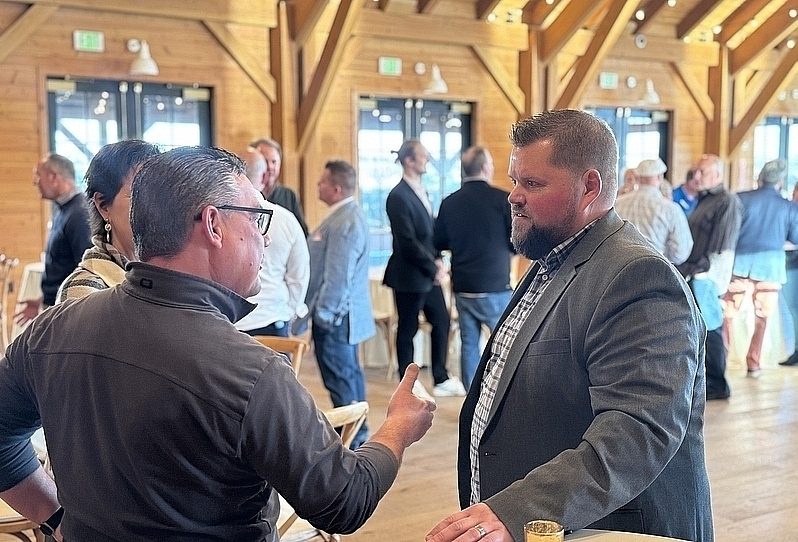
A healthy team doesn’t happen by accident — it’s built intentionally. As we enter 2026, employers across every industry are realizing that workplace wellness is no longer a nice-to-have; it’s a business imperative. The modern workforce expects more than just paychecks and policies — they want purpose, balance, and benefits that truly support their well-being.
At Health Compass Inc., we’ve seen the future of employee health firsthand: companies that prioritize well-being don’t just improve morale — they improve performance, productivity, and retention. Here’s how your organization can create a workplace culture that keeps your people healthy, engaged, and thriving.
1. Redefine What “Wellness” Means in the Workplace
Many employers think wellness means gym reimbursements or one-off step challenges. In reality, employee health goes far deeper — it’s about physical, mental, and emotional balance. A true culture of wellness starts with rethinking how your organization defines “healthy.”
- Physical health — Encouraging preventive care, accessible healthcare, and flexible work arrangements.
- Mental health — Creating space for stress management, counseling access, and open dialogue around burnout.
- Financial health — Offering predictable healthcare costs and resources that reduce financial stress.
The most successful organizations don’t separate these categories — they integrate them into one cohesive employee experience.
2. Make Health Access Simple and Affordable
Healthcare access shouldn’t be complicated. Yet for many employees, it’s still one of the most confusing parts of their job. Traditional health plans often come with high deductibles, hidden costs, and limited virtual options — creating unnecessary stress and barriers to care.
Modern employers are changing that. By partnering with Health Compass, companies can provide access to $0 co-pays, no deductibles, and 24/7 virtual primary care — all through innovative solutions like Vital110 and VitalDirect.
When employees know that getting care is easy and affordable, they’re far more likely to seek preventive services, stay healthy, and show up engaged.
3. Lead With Empathy — and Example
Company culture starts at the top. Leadership behavior sets the tone for the entire organization. When executives and managers model healthy boundaries — taking time off, using mental health resources, or prioritizing balance — it sends a powerful message that employees can do the same without guilt.
Encourage leaders to talk about well-being openly. Schedule team check-ins focused not just on workload, but on wellness. A single conversation can shift a team’s entire approach to balance and engagement.
4. Build Wellness Into Daily Operations
A culture of health can’t survive if it’s treated as an HR initiative. It needs to be part of your daily business rhythm. Integrate well-being into how you communicate, plan, and measure success.
- Start meetings with brief mindfulness or gratitude moments.
- Offer hybrid or flexible scheduling to reduce burnout.
- Promote walking meetings or midday wellness breaks.
- Reward teams not only for results but for balance and collaboration.
When well-being becomes part of the workflow, it stops feeling like an afterthought — it becomes part of your company’s DNA.
5. Prioritize Mental Health as a Core Benefit
Mental health is the cornerstone of sustainable performance. According to recent workplace wellness studies, over 70% of employees cite stress and burnout as major challenges — yet many still hesitate to seek help because they fear judgment or cost.
Employers who normalize mental health conversations — and provide accessible support — see measurable benefits in retention, engagement, and innovation. Health Compass helps bridge that gap with access to virtual mental health professionals, no co-pays, and on-demand counseling options that employees can use confidentially.
6. Communicate Benefits Clearly and Consistently
Even the best healthcare benefits can’t make an impact if employees don’t understand them. In 2026, employers should focus on simplifying benefit communication — using digital dashboards, quick guides, and short videos to make healthcare navigation effortless.
Regular reminders and educational sessions reinforce that benefits are not just paperwork — they’re powerful tools for wellness. The clearer the communication, the greater the participation and satisfaction.
7. Measure the Impact of a Health-Focused Culture
The ROI of employee wellness isn’t just about dollars — it’s about performance. Studies show that companies prioritizing well-being experience:
- 41% lower absenteeism
- 17% higher productivity
- Up to 23% greater profitability
Tracking wellness metrics like engagement scores, health utilization rates, and retention helps leaders quantify success and identify areas for improvement. The stronger the focus on well-being, the stronger the organization becomes.
8. Extend Care to Everyone — Including Non-Traditional Workers
As more businesses rely on freelancers, contractors, and part-time staff, a truly inclusive culture of care must extend beyond full-time employees. That’s where VitalDirect from Health Compass comes in — offering affordable, predictable healthcare for self-employed professionals and anyone with coverage gaps.
By ensuring access for everyone contributing to your company’s success, you reinforce the message that health and belonging are universal priorities.
9. Create Space for Gratitude and Recognition
Wellness isn’t only about what people do — it’s about how they feel. Recognition and gratitude are proven drivers of mental well-being and engagement. Simple gestures — handwritten notes, shoutouts, team appreciation events — help build emotional health and connection across the workplace.
When employees feel seen and appreciated, they invest more deeply in their work and the company’s mission.
10. Partner With Experts Who Make Wellness Simple
You don’t have to build a culture of care alone. Health Compass partners with employers nationwide to design smarter healthcare strategies that combine technology, access, and empathy — all while reducing costs and administrative complexity.
From preventive health programs to virtual care solutions, we help organizations create environments where employees can do their best work because they feel their best every day.
Final Thoughts: Healthier Teams, Stronger Companies
A healthy culture doesn’t just benefit employees — it drives better business outcomes. In 2026 and beyond, organizations that treat employee health as a strategic priority will see lower turnover, higher engagement, and stronger long-term growth.
When people feel supported, they stay longer, perform better, and build trust in your leadership. That’s not just a wellness win — it’s a competitive advantage.
‹ Back
Recent Posts
-

Healthy Aging Month: Supporting Older Workers as a Retention Strategy
September 11, 2026
-

-

Labor Day 2026: What Employee Loyalty Really Costs, and What It Earns
September 1, 2026
-

-